By: Ava Basch
Walk into any barn and there will be rules posted on the wall: helmets required, clean up after your horse and tack, sweep the crossties. But many important expectations remain unwritten.
Unwritten rules and barn etiquette help keep riders and horses safe while shaping barn culture. Whether at your home barn or visiting another facility, proper etiquette is essential.
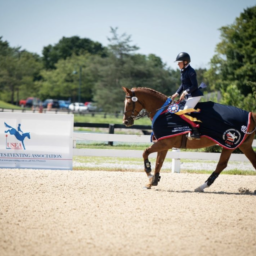
Accidents are common in warm-up arenas or even at home when riders lack spatial awareness or fail to communicate. Riders should pass left shoulder to left shoulder, and horses on course should take the inside track unless otherwise communicated.
Outside the ring, the barn is a shared space, and cleanliness is a basic expectation and a sign of respect. Sweeping and removing hair, dirt and manure, cleaning and returning tack to its proper place, and resetting poles and jumps after use show respect for others and the facility.
Time management is another expectation in a barn environment. Riders should arrive early enough to groom and tack their horse before a scheduled ride or lesson. Being on time keeps the schedule on track and shows respect for trainers and fellow riders.
Each barn is unique and follows its own program for feeding, turnout and training. Riders should follow these routines and communicate any changes. Consistency is important for maintaining a horse’s health and performance, so everyone should remain aligned.
Barn environments rely heavily on teamwork. Helping others around the barn, including fellow riders and horses, supports a positive environment and builds relationships that may be valuable in return.
Following posted rules is expected, but unwritten barn etiquette is just as important for riders, trainers and horses to thrive.